Fashion has long looked to space for inspiration. Silver fabrics, futuristic silhouettes and sci-fi references have appeared on runways for decades. Prada, however, is moving beyond inspiration and into participation.
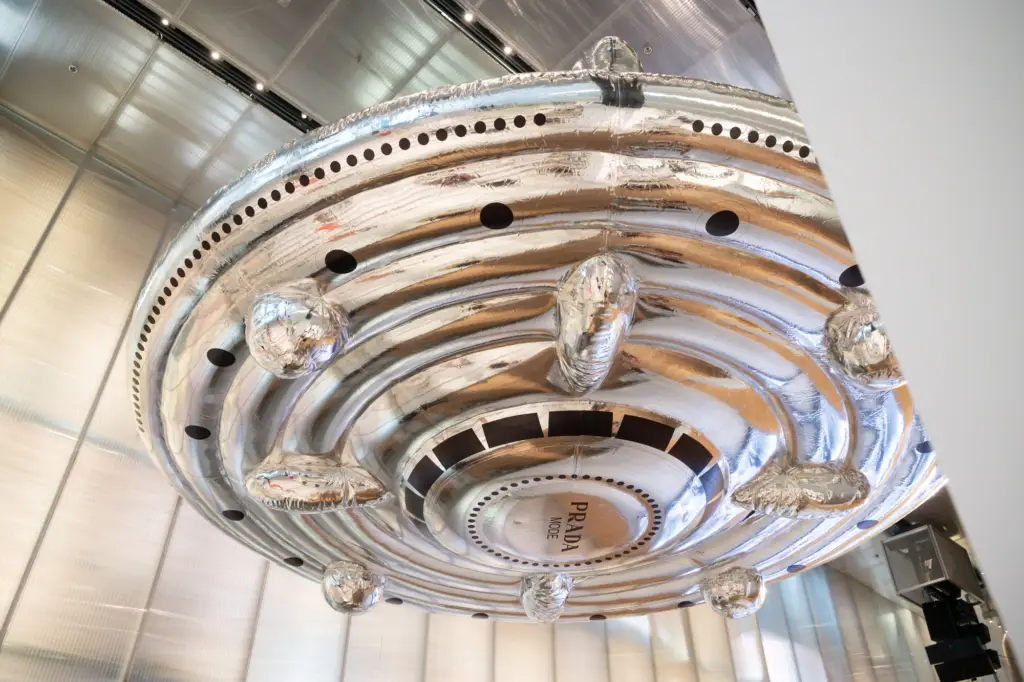
Just days after unveiling the Prada-designed Axiom spacesuit destined for future lunar missions, the Italian fashion house opened the latest edition of Prada Mode in New York. While one project focuses on engineering solutions for astronauts travelling to the moon, the other explores the cultural questions that emerge when humanity begins imagining life beyond Earth.
The timing creates an intriguing connection between two seemingly unrelated initiatives. Together, they reveal a brand increasingly interested in shaping conversations around the future rather than simply responding to them.
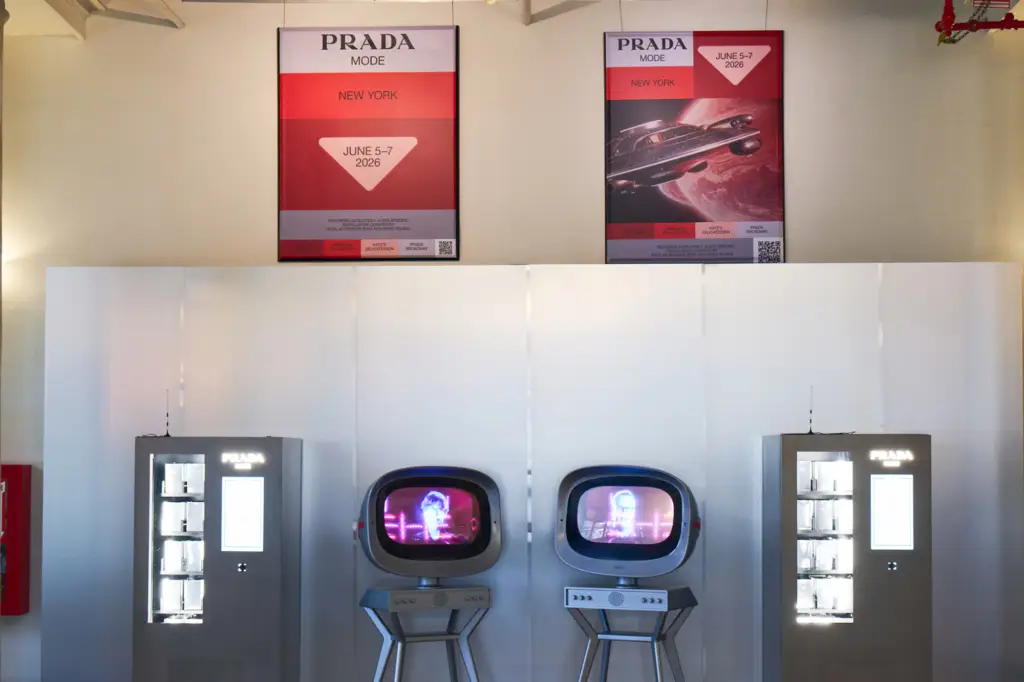
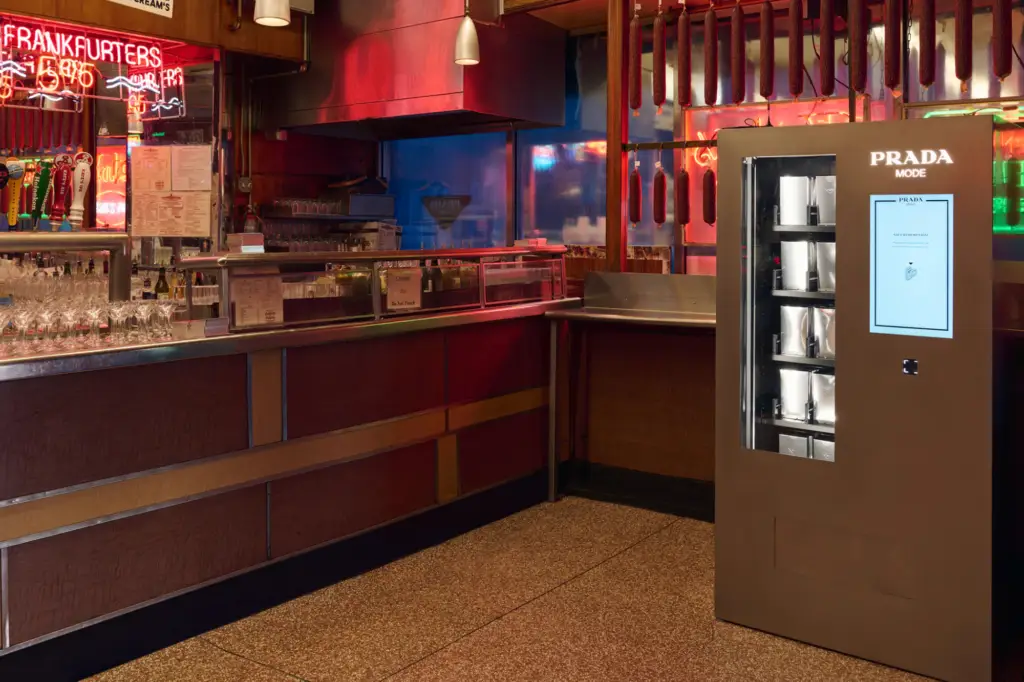
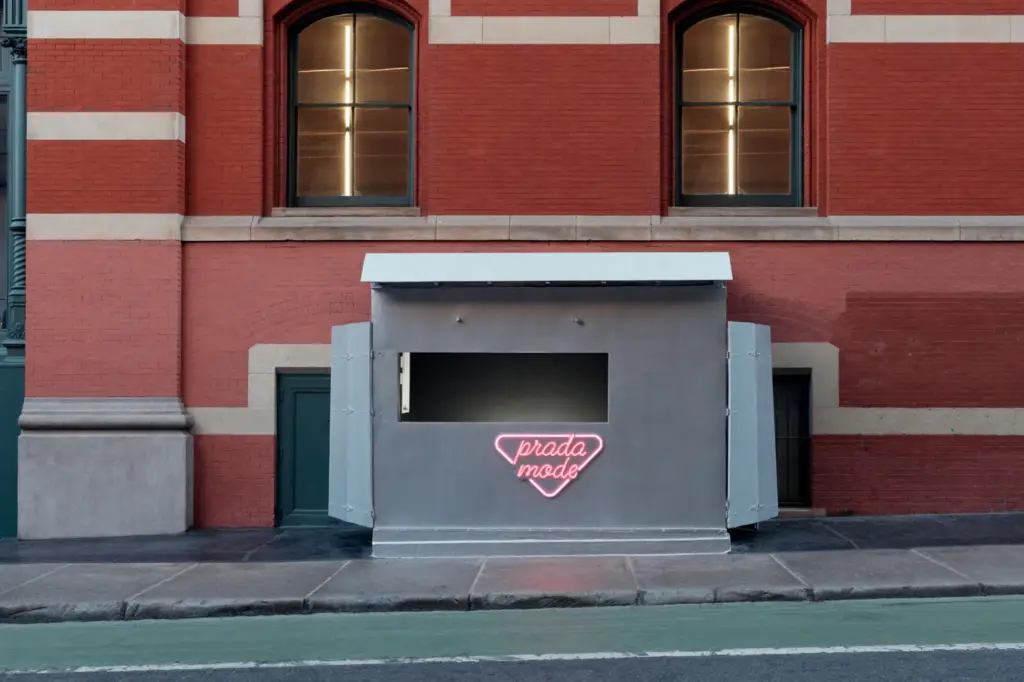
Now in its fourteenth edition, Prada Mode has evolved into one of luxury’s most distinctive cultural platforms. Since launching in 2018, the travelling event series has invited architects, artists, filmmakers, musicians and designers to create immersive experiences that sit well beyond the traditional boundaries of fashion. Each edition offers members access to conversations, performances and installations designed to spark new perspectives and encourage interdisciplinary thinking.
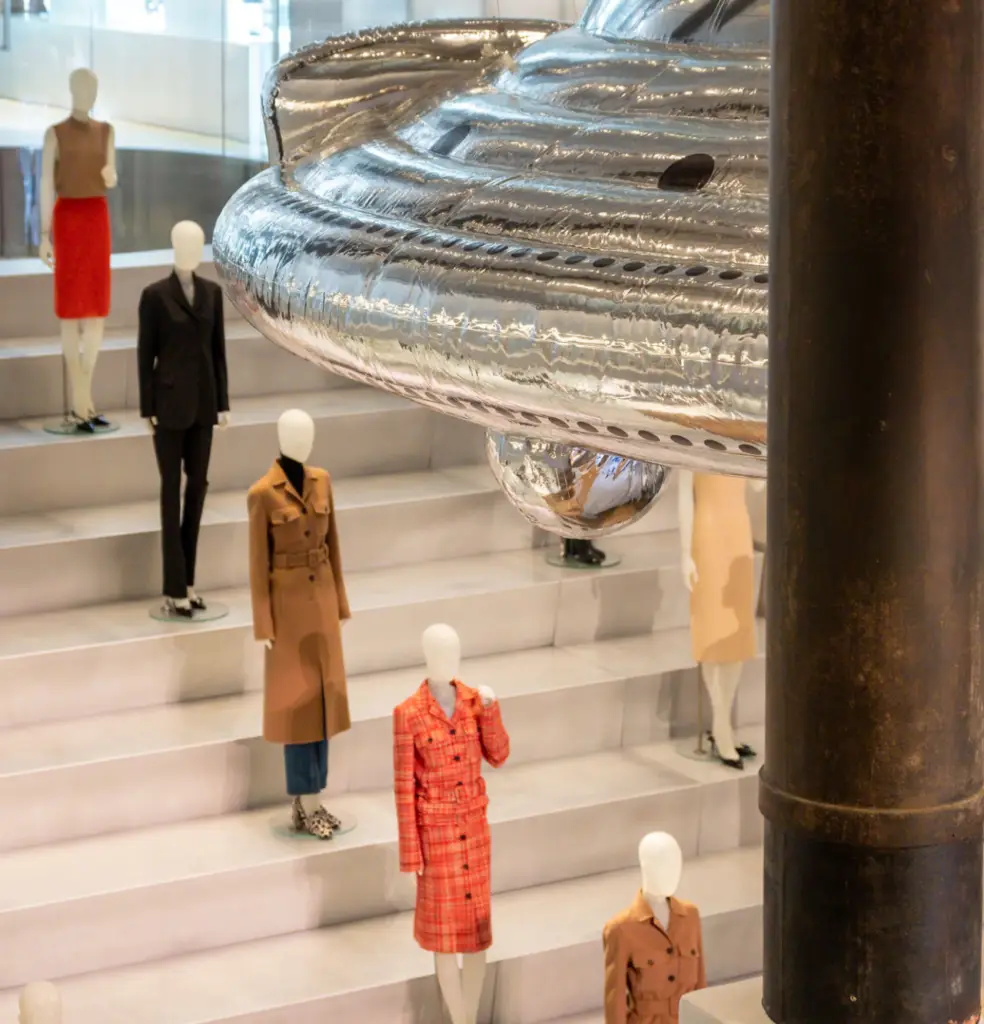
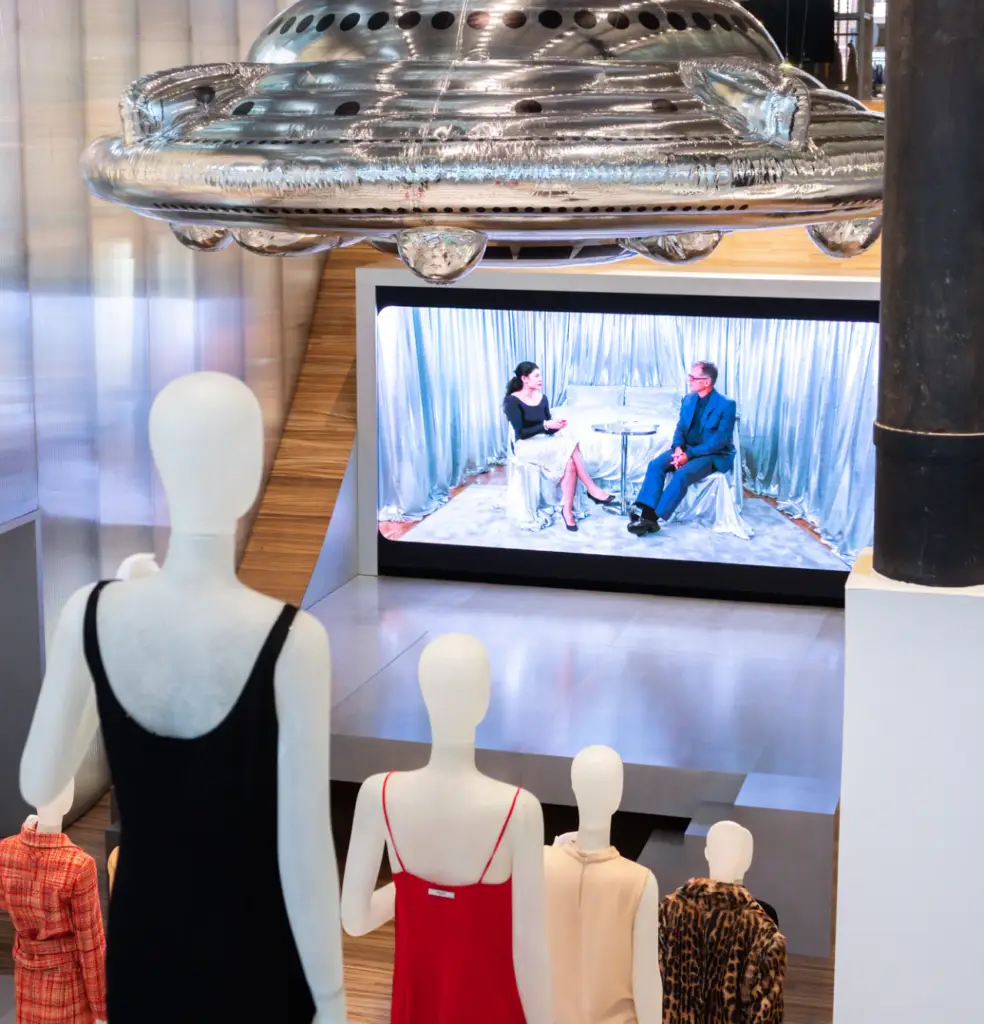
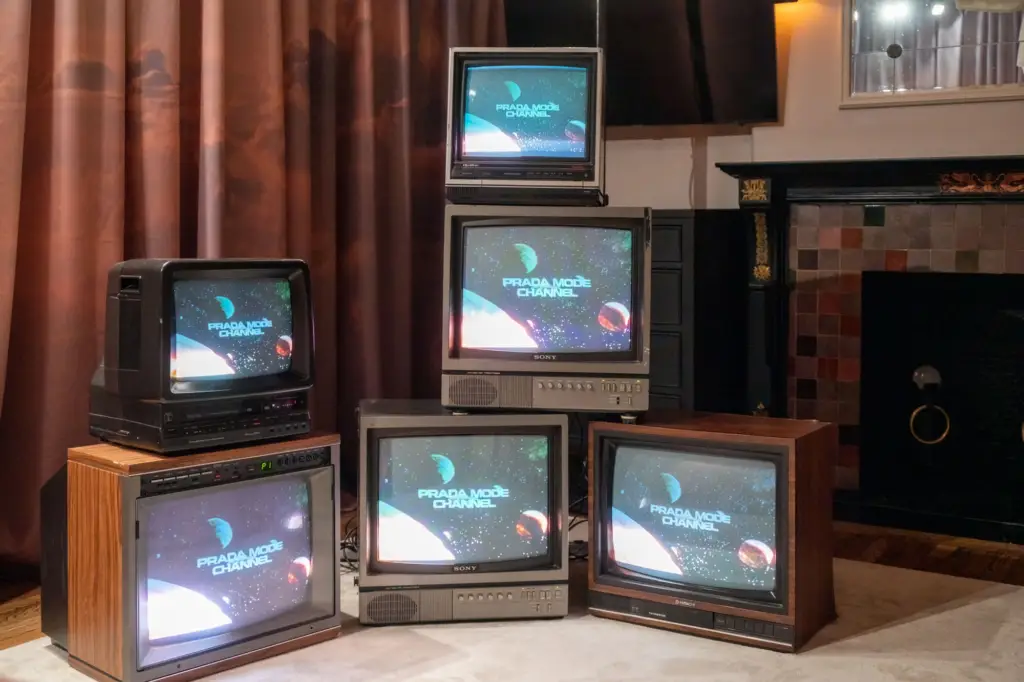
For New York, Prada handed the creative reins to filmmaker Nicolas Winding Refn and game creator Hideo Kojima, two cultural figures whose work frequently explores technology, identity and alternate realities. Together they developed Satellites II, an immersive multimedia installation housed within the legendary Hotel Chelsea.
The experience combines film, sound, performance and interactive storytelling to examine communication in an increasingly connected world. Visitors move through a series of environments that blur the lines between physical and digital realities, encouraging reflection on how technology continues to reshape human relationships and our understanding of connection.
The choice of Hotel Chelsea adds another layer to the narrative. For generations, the landmark has been synonymous with artistic experimentation, serving as a creative home for writers, musicians and artists who helped shape New York’s cultural identity. Positioning a future-facing installation inside one of the city’s most historic creative institutions creates a compelling dialogue between past and future, reinforcing the idea that innovation rarely exists in isolation from history.
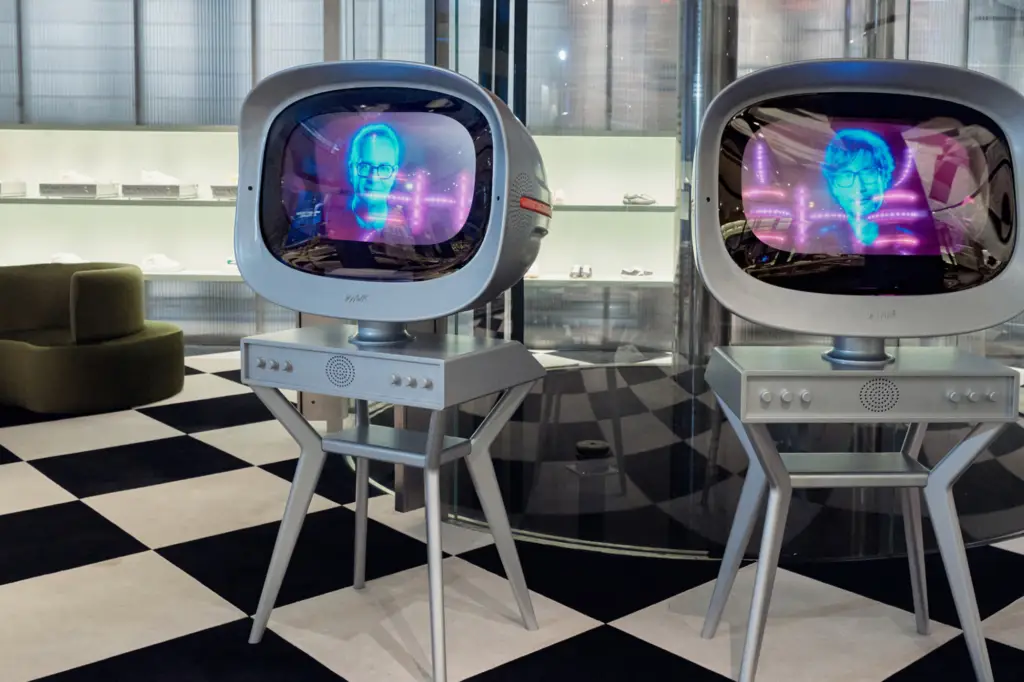
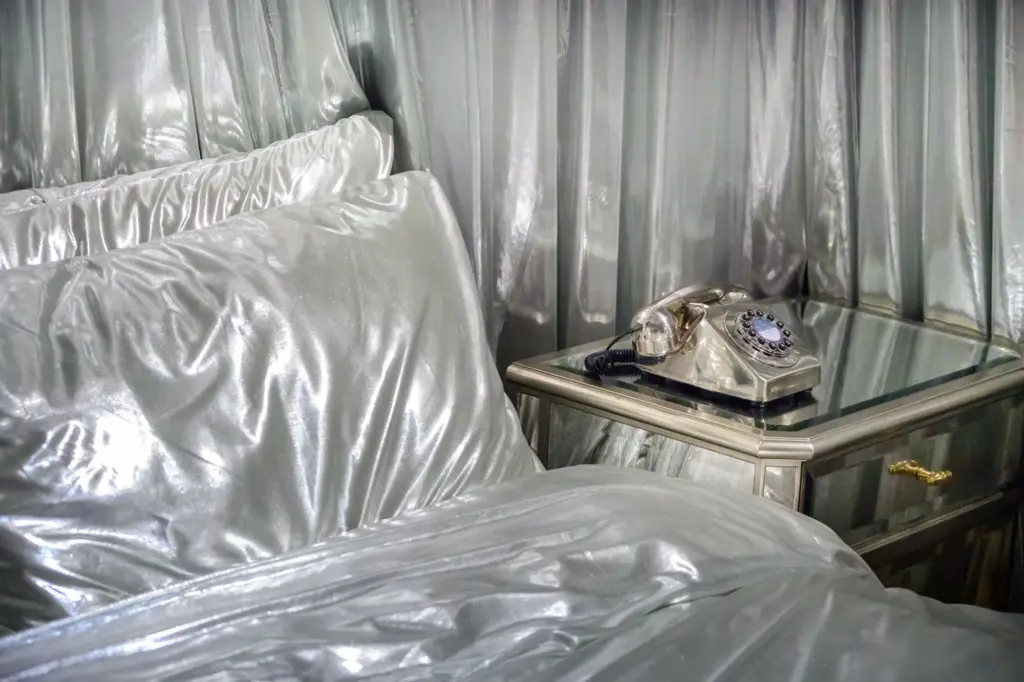
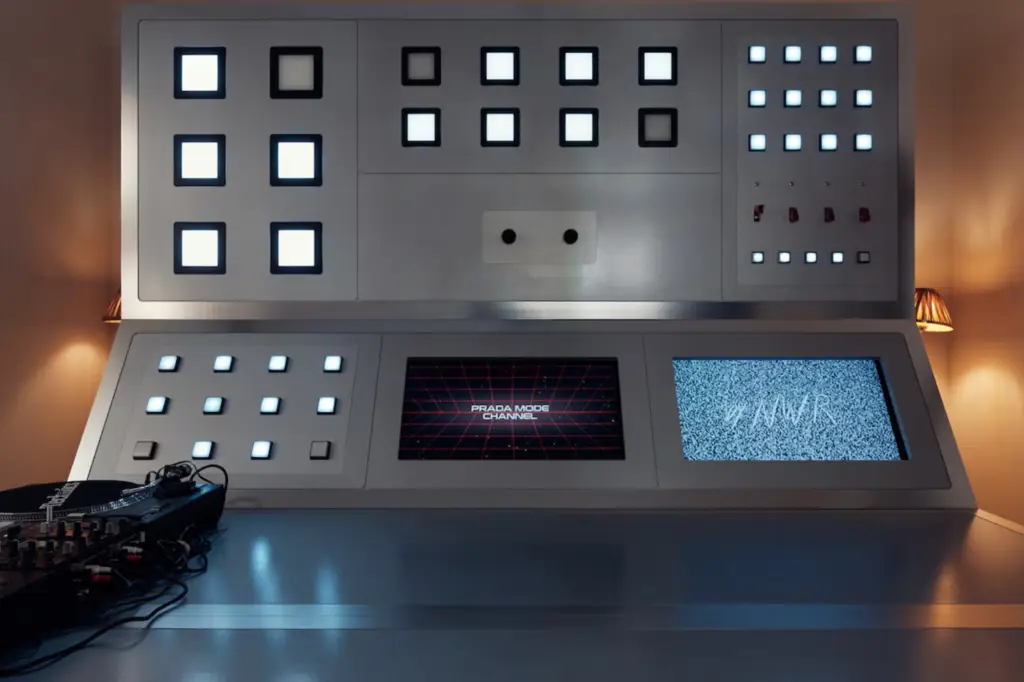
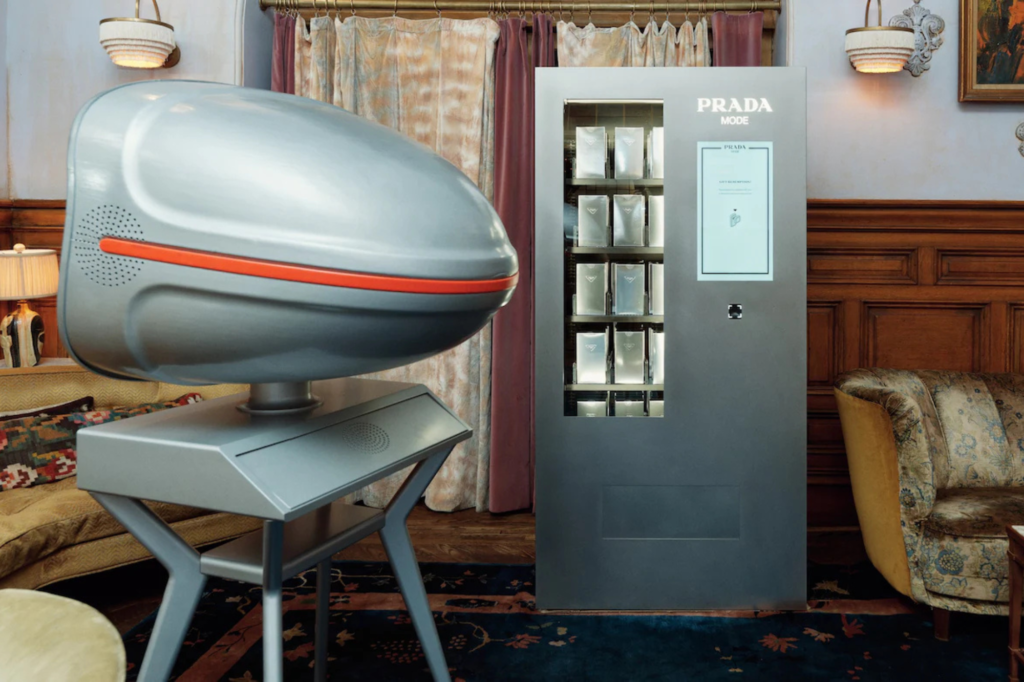
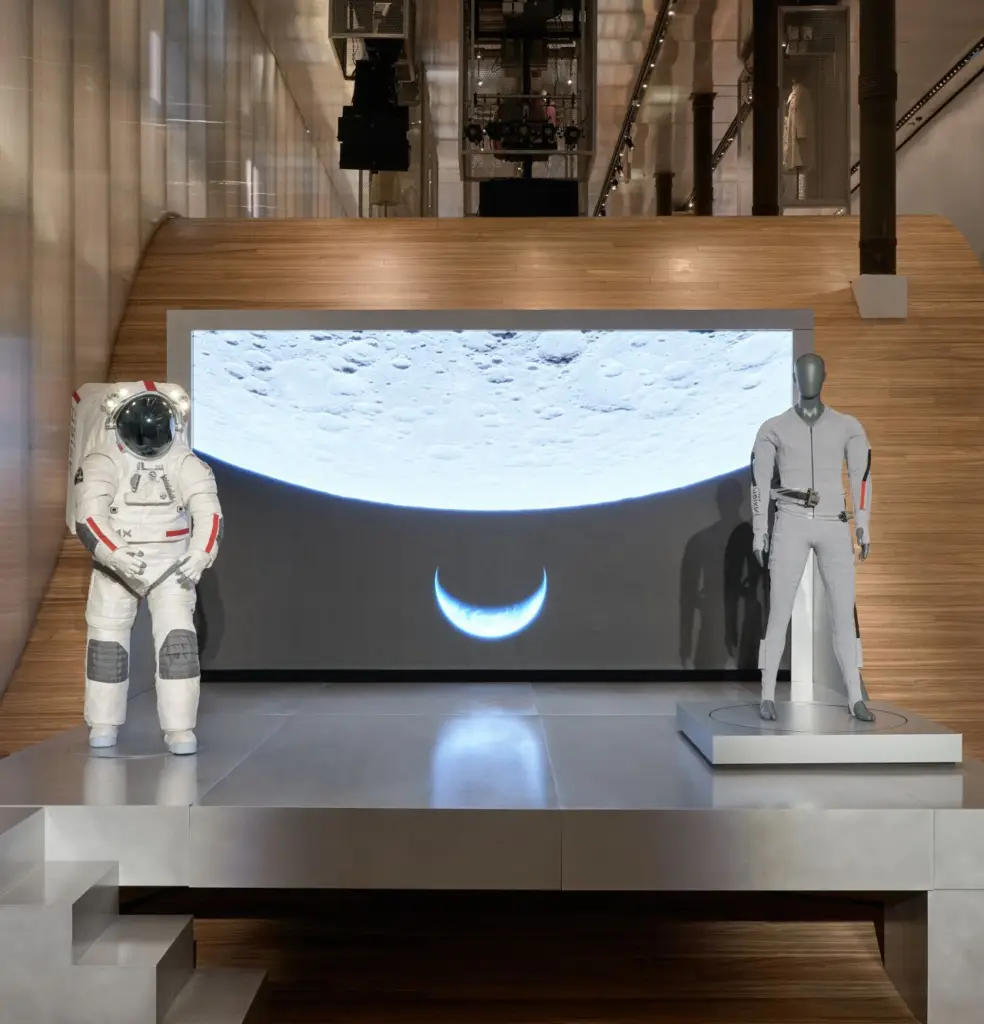
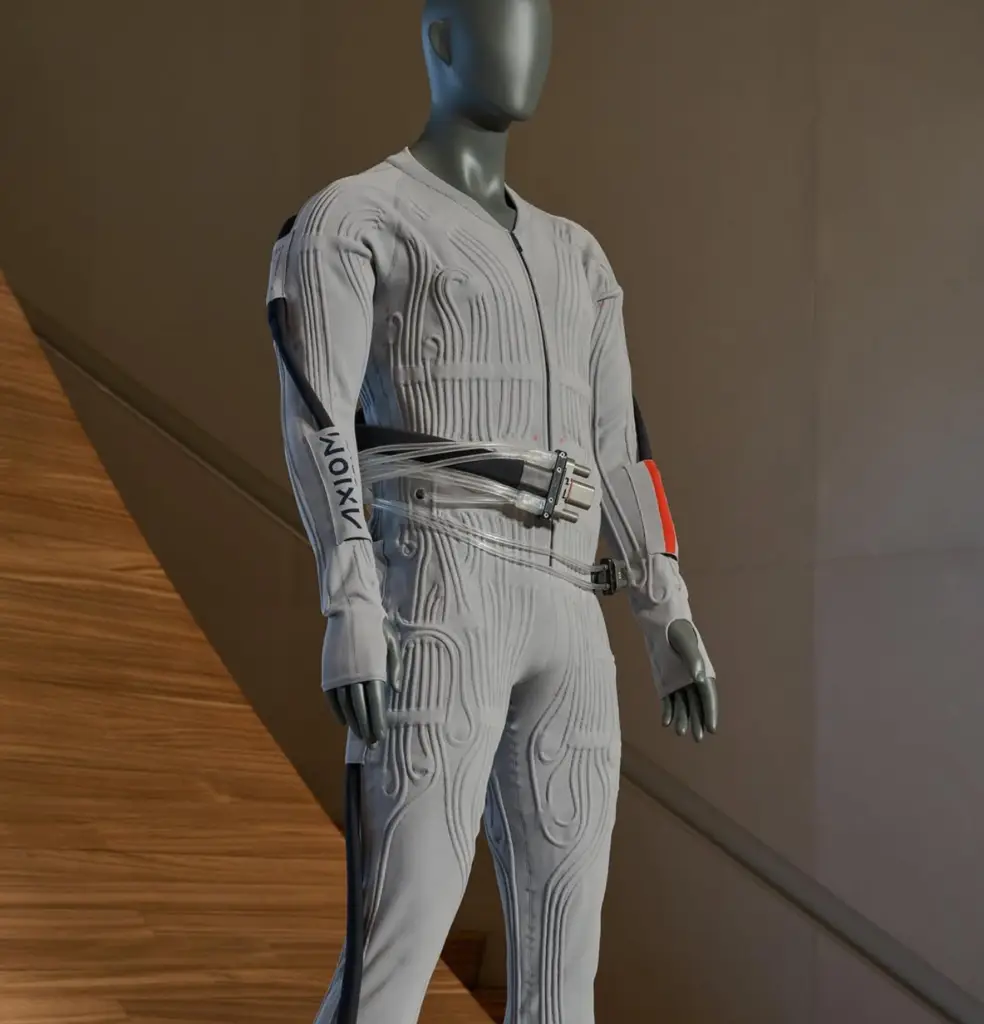
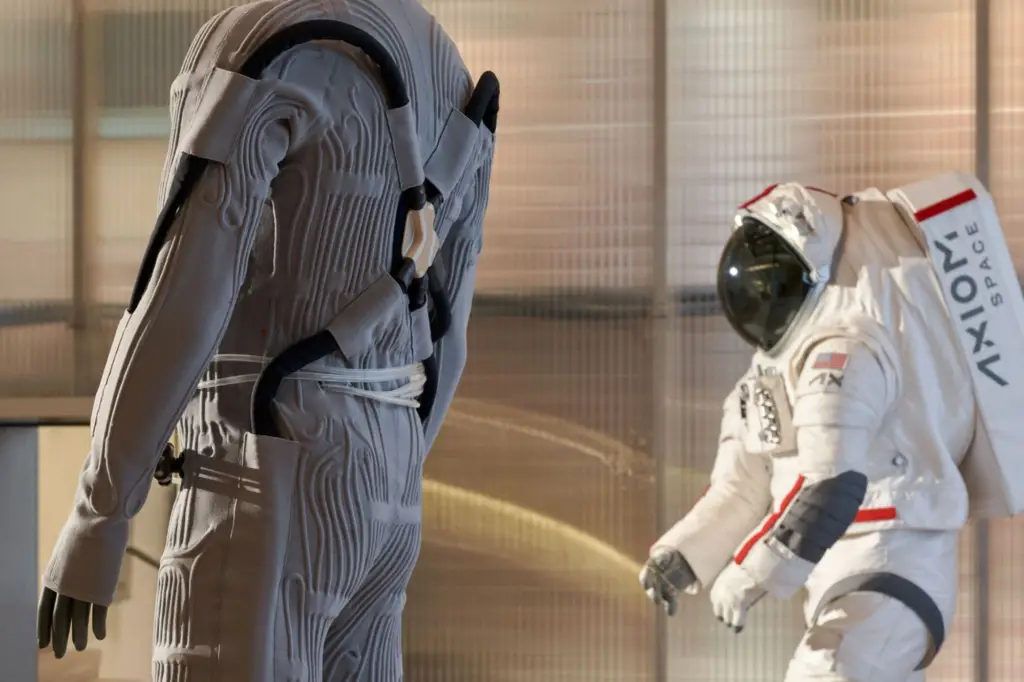
The opening of Prada Mode New York arrives at a particularly significant moment for the brand. Earlier this week, Prada and Axiom Space revealed the AxEMU spacesuit, developed to support NASA’s Artemis III mission and future lunar exploration. Drawing on Prada’s expertise in materials, design and performance, the collaboration represents one of the most ambitious cross-industry partnerships the luxury sector has seen in recent years.
The presence of the spacesuit within Prada Mode itself reinforces the connection between the two projects. Rather than treating aerospace innovation and cultural programming as separate initiatives, Prada presents them as part of the same broader conversation. One explores how humans will physically navigate future environments, while the other examines how culture, creativity and communication may evolve alongside those changes.
Increasingly, luxury brands are seeking relevance beyond products. Fashion houses are investing in hospitality, entertainment, technology and experiential marketing as they search for new ways to engage audiences. Few brands, however, operate across as many disciplines as Prada. Through architecture, cinema, design, technology and now aerospace innovation, the brand continues to build influence by participating in wider cultural conversations rather than limiting itself to the fashion industry.
Most brands talk about building worlds. Prada is one of the few brands actively operating across multiple realities at once. From fashion and film to gaming and space exploration, the brand continues to prove that cultural relevance comes from participating in conversations beyond your own industry.
This ability to connect seemingly unrelated disciplines has become one of Prada’s defining strengths. Rather than producing standalone activations, the brand consistently creates intersections between culture, technology, design and storytelling. The result is a growing ecosystem of ideas that reinforces Prada’s position as a cultural connector rather than simply a luxury fashion house.
“Prada Mode has evolved beyond an event series. It has become a testing ground for ideas, bringing together voices from different creative disciplines and positioning Prada as a connector rather than simply a fashion house,” says Turner.
At a time when many luxury experiences are competing for attention through spectacle alone, Prada Mode New York offers something more substantial. The project demonstrates how brands can create meaningful cultural value by bringing together different creative worlds and encouraging conversations that extend beyond products.
Prada may be helping design what astronauts wear on the moon, but Prada Mode suggests the brand is equally interested in exploring what humanity might think about, create and experience once it gets there.